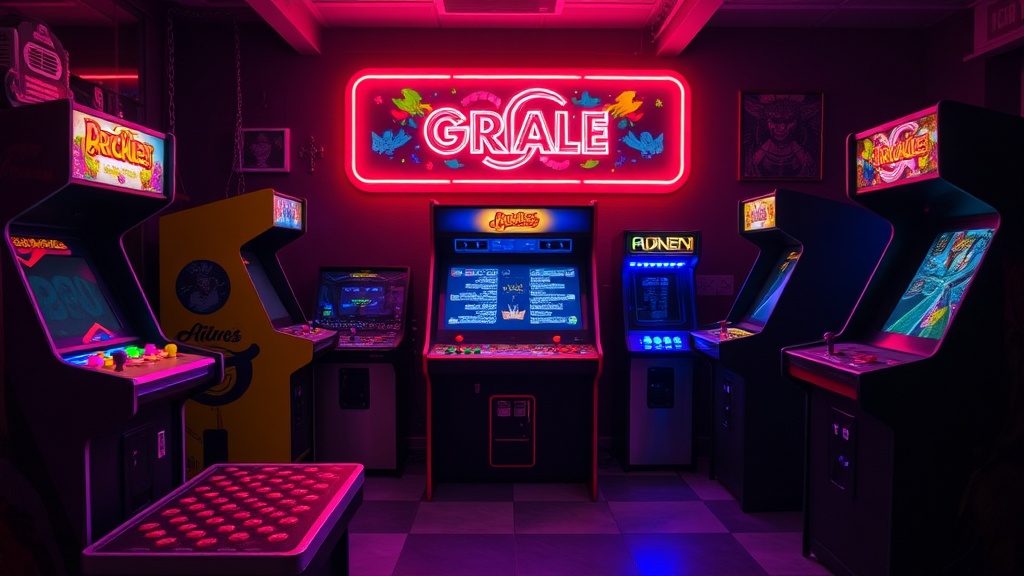
The Ultimate Guide to Buying Arcade Machines: What Actually Matters Before You Spend

Arcade machines aren’t just nostalgia pieces anymore—they’re serious collectibles, statement furniture, and in some cases, investments. But here’s the reality: most buyers overpay, underestimate maintenance, or end up with something that doesn’t fit their space or expectations.
This guide cuts through the hype and focuses on what actually matters when buying an arcade machine, whether you’re chasing a pristine original cabinet or a modern multicade.
1. Decide What Kind of Arcade Machine You Actually Want
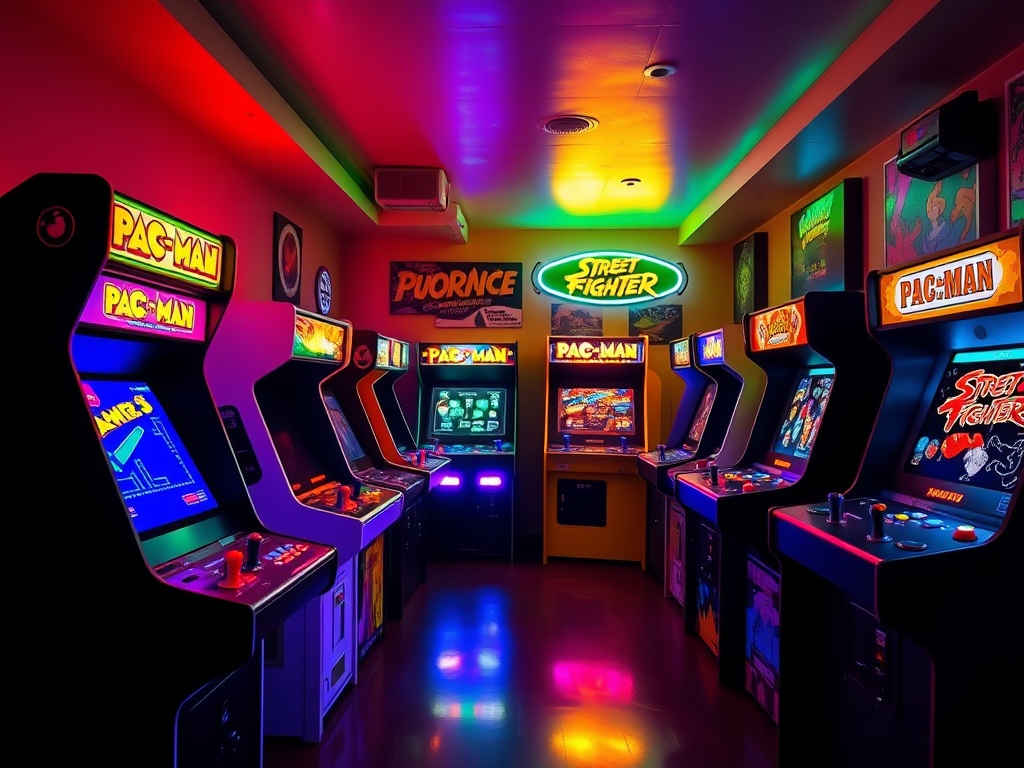
Before you even think about price, you need clarity on the type of machine. This is where most people go wrong—they shop first and define later.
- Original vintage cabinets: Authentic machines from the 70s–90s. High collector value, but often require maintenance.
- Restored cabinets: Originals that have been refurbished. Safer buy, slightly less “pure” for collectors.
- Reproduction cabinets: Newly built with classic styling. Good for aesthetics, less for investment.
- Multicades: Modern systems with dozens or thousands of games. Great for casual play, low collector value.
If you’re chasing nostalgia, originals matter. If you just want to play, multicades are usually the smarter move.
2. Understand the Real Price Range (and Hidden Costs)
Arcade machine pricing is all over the place—and for good reason. Condition, rarity, and originality change everything.
- $500–$1,500: Project machines or basic multicades
- $1,500–$4,000: Solid restored classics or quality multicades
- $4,000–$10,000+: Rare originals in excellent condition
But the sticker price isn’t the full story. You also need to account for:
- Shipping (often $300–$800)
- Repairs (CRTs, boards, controls)
- Power consumption
- Space modifications
The cheapest machine often becomes the most expensive over time.
3. Check the Condition Like a Collector, Not a Casual Buyer
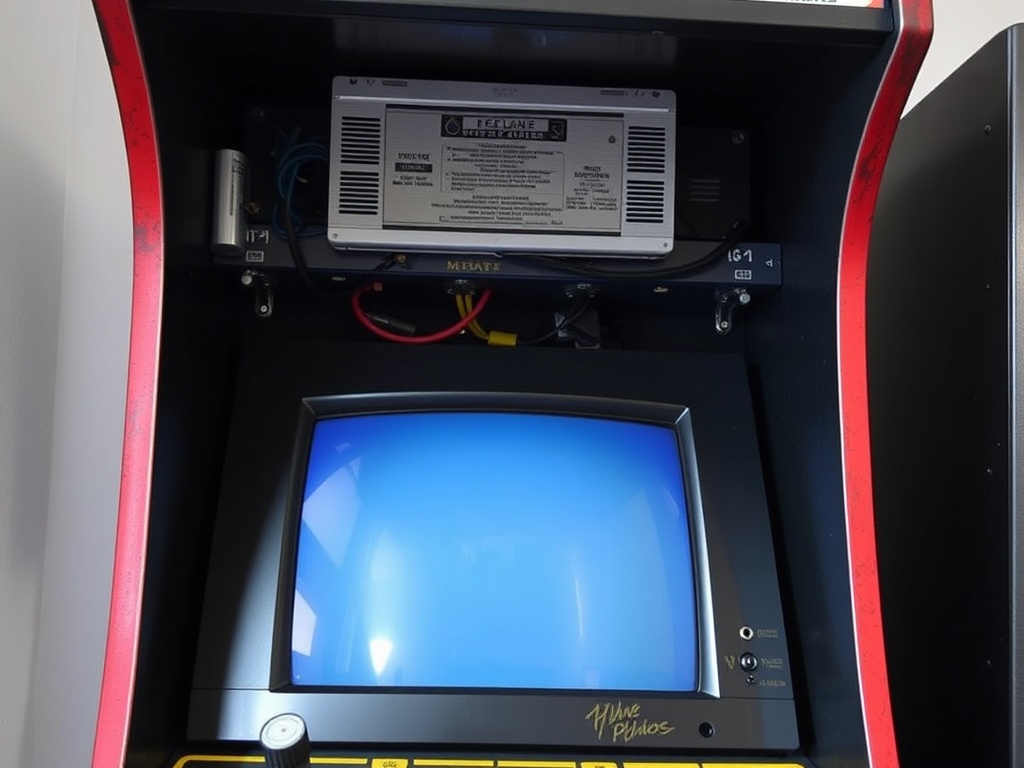
Condition is where value is won or lost. A clean exterior can hide serious internal issues.
What to inspect:
- Monitor: Original CRTs are desirable but fragile. Look for burn-in or dim images.
- Control panel: Worn joysticks and buttons are common but replaceable.
- Cabinet art: Faded or peeling side art lowers value significantly.
- PCB (game board): Original boards increase authenticity and price.
Ask for video proof of gameplay. Photos alone are not enough.
4. Space and Placement: The Problem Most Buyers Ignore
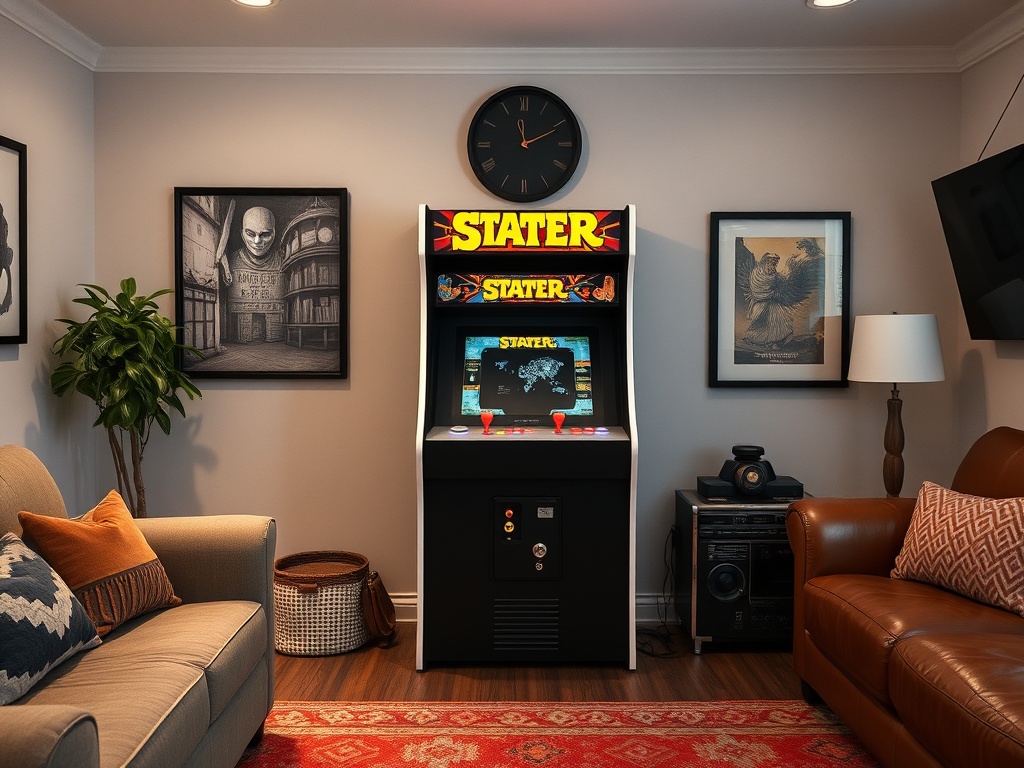
Arcade machines are not small. A standard cabinet can weigh 200–300 pounds and stand over 6 feet tall.
Questions to answer before buying:
- Can it fit through your doorways?
- Do you have a dedicated circuit or outlet?
- Will it dominate your room visually?
Collectors plan their space first. Casual buyers regret it later.
5. Original vs Modified: What Collectors Actually Value
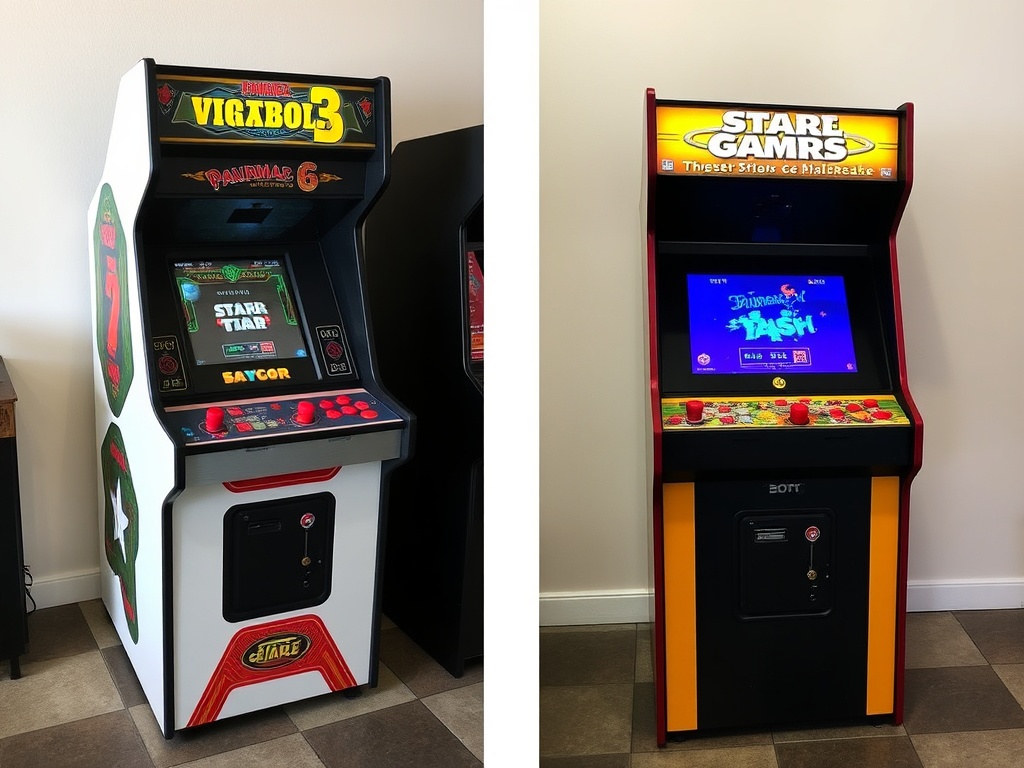
There’s a clear divide in the market between originality and functionality.
- Original machines: Highest long-term value, especially if unmodified
- Modified cabinets: Better usability, lower collector appeal
If resale or collecting matters, avoid heavy modifications. If fun is your priority, don’t overpay for originality.
6. Maintenance Reality: What You’re Signing Up For
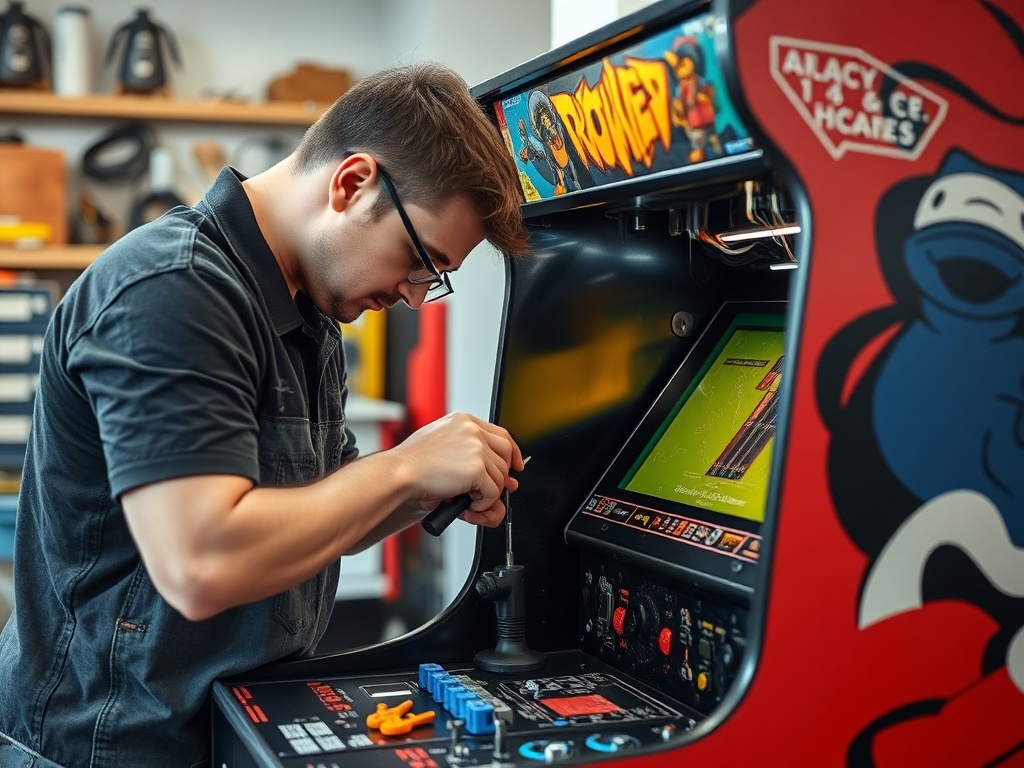
Arcade machines are not plug-and-play forever. Even the best units need upkeep.
- CRTs can fail or dim over time
- Power supplies degrade
- Buttons and joysticks wear out
Owning one means either learning basic repairs or having a reliable technician.
7. Where to Buy (and Where Not To)
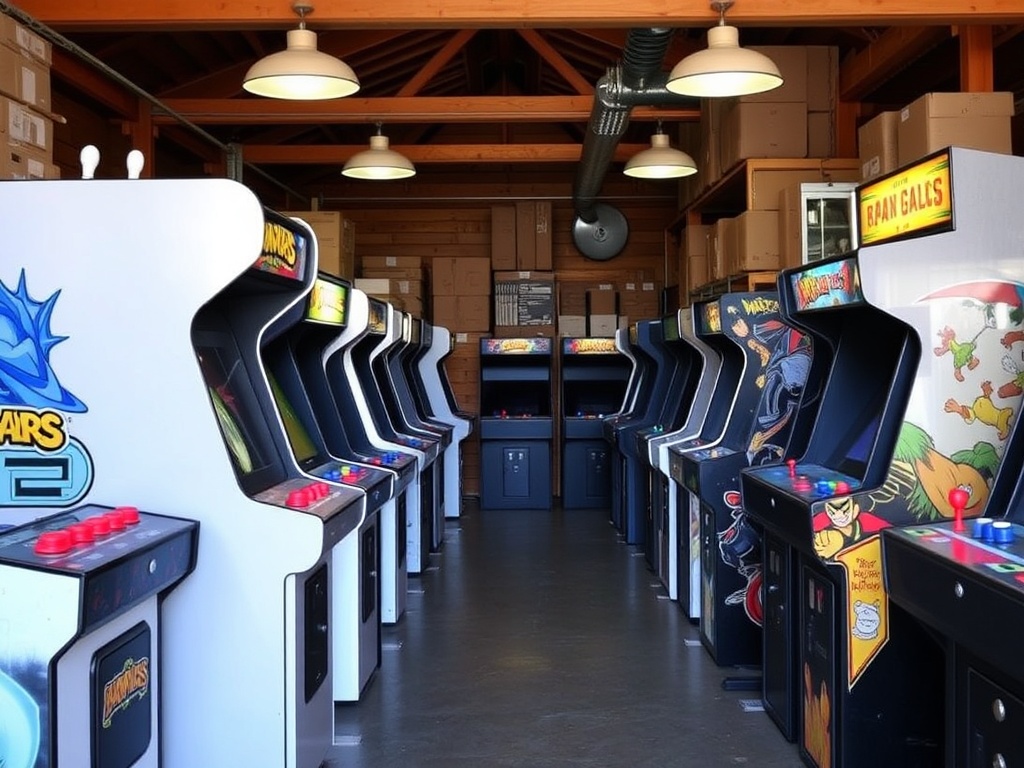
Where you buy matters as much as what you buy.
- Private sellers: Best deals, highest risk
- Specialty dealers: Higher prices, more reliability
- Auctions: Potential bargains if you know what you’re doing
Avoid impulse buys on marketplaces without verification. Always ask for detailed photos and videos.
8. Red Flags That Should Stop You Immediately
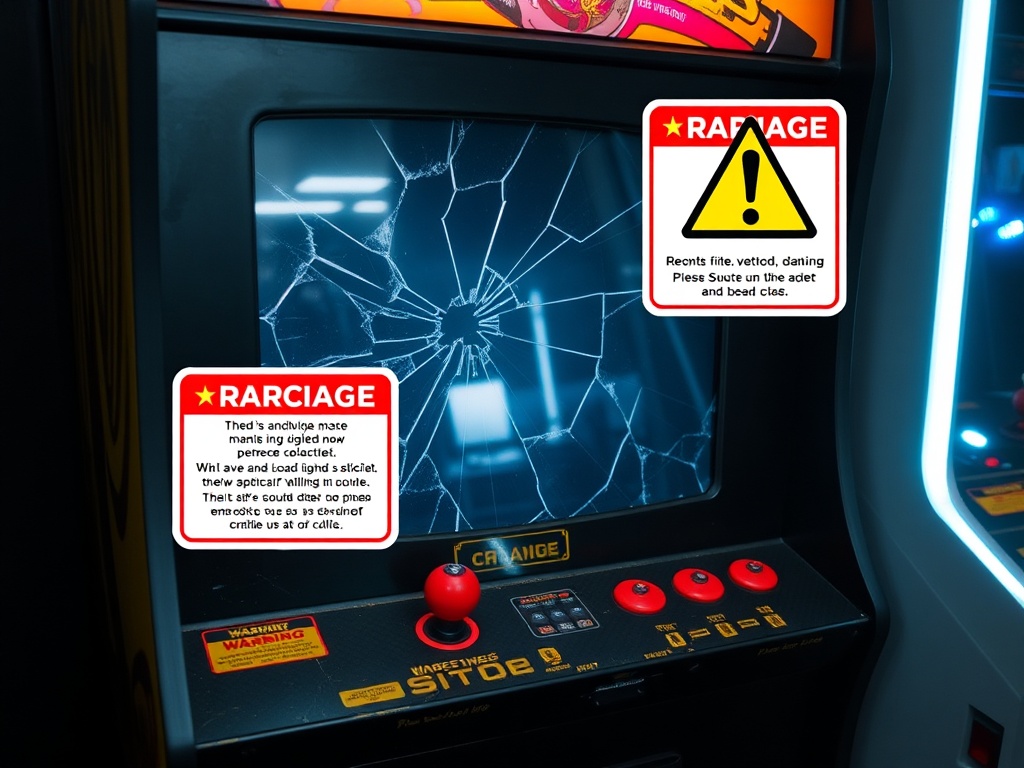
- No proof of working condition
- Heavily water-damaged cabinet
- Missing internal components
- Unclear history or ownership
If multiple red flags show up, walk away. Another machine will always come along.
9. Making the Final Decision Without Regret

The best arcade purchase isn’t the rarest or the cheapest—it’s the one that fits your goals.
Ask yourself:
- Do I want to play or collect?
- Am I okay with maintenance?
- Does this fit my space and budget long-term?
If the answers line up, you’re ready.
Final Thoughts
Arcade machines are one of the few collectibles you can actually use daily. That’s what makes them special—and what makes buying the wrong one frustrating.
Take your time, inspect carefully, and don’t chase hype. The right machine is out there, and when you find it, you’ll know.